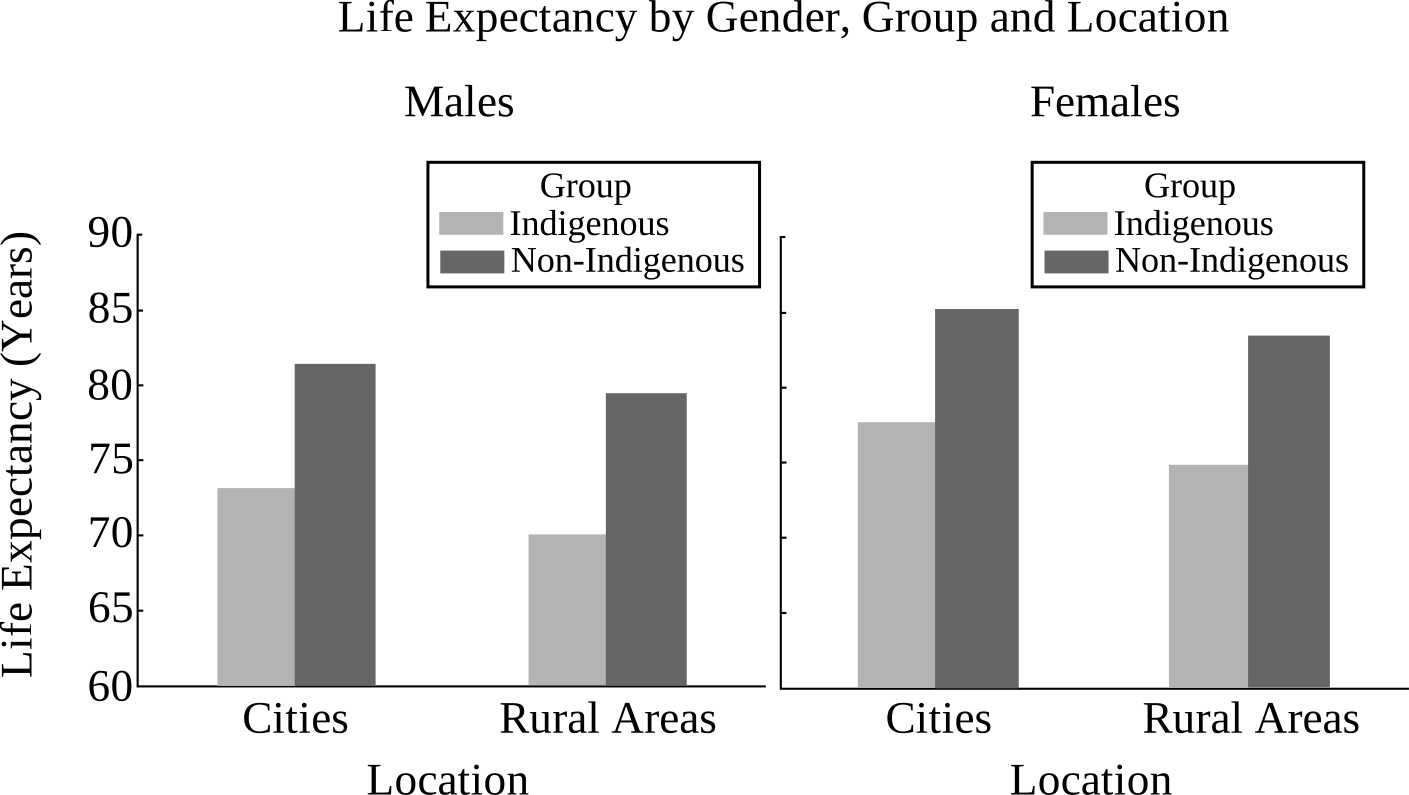
The graph below shows the life expectancy of indigenous vs non-indigenous males and females in city and rural locations.
Analyse the key trends in this data. (8 marks)
--- 22 WORK AREA LINES (style=lined) ---
*PEEL – Solution is structured using an adjusted PEEL method; [P] Identify components and their relationship, [E] explain the interaction/influence between them, [Ev] provide evidence showing the relationship in action, [L] linking sentence back to question.
Geographic Disparities Within ATSI Population
- [P] The data reveals significant geographic disparities in life expectancy within the Aboriginal and Torres Strait Islander (ATSI) population.
- [E] This pattern demonstrates how location directly influences health outcomes for Indigenous Australians, with rural residence creating additional disadvantage.
- [Ev] The graph shows rural ATSI people have markedly shorter lives than their urban counterparts, reflecting limited access to healthcare services and preventative programs. For example, city males have a 3-year higher life expectancy than rural males (73 vs 70).
- [L] This geographic disparity highlights how environmental determinants compound existing health challenges for rural Indigenous communities.
ATSI vs Non-Indigenous Life Expectancy Gap
- [P] A persistent life expectancy gap exists between Indigenous and non-Indigenous populations across all locations.
- [E] This consistent disparity indicates systemic health inequities affecting ATSI communities regardless of geographic setting.
- [Ev] The graph demonstrates both urban and rural ATSI populations have lower life expectancies than non-Indigenous Australians in comparable locations. For example, city non-indigenous females have a 7-year higher life expectancy than rural city indigenous females (85 vs 78).
- [L] These findings suggest addressing Indigenous health requires both location-specific approaches and broader structural reforms.
Gender Disparities Within ATSI Population
- [P] Notable gender differences exist in Indigenous life expectancy patterns.
- [E] This gender disparity reflects different health challenges and risk factors affecting ATSI males and females.
- [Ev] The graph shows ATSI women consistently outlive ATSI men in both rural and urban settings.
- [L] This pattern indicates the need for gender-specific approaches within Indigenous health initiatives.
*PEEL – Solution is structured using an adjusted PEEL method; [P] Identify components and their relationship, [E] explain the interaction/influence between them, [Ev] provide evidence showing the relationship in action, [L] linking sentence back to question.
Geographic Disparities Within ATSI Population
- [P] The data reveals significant geographic disparities in life expectancy within the Aboriginal and Torres Strait Islander (ATSI) population.
- [E] This pattern demonstrates how location directly influences health outcomes for Indigenous Australians, with rural residence creating additional disadvantage.
- [Ev] The graph shows rural ATSI people have markedly shorter lives than their urban counterparts, reflecting limited access to healthcare services and preventative programs. For example, city males have a 3-year higher life expectancy than rural males (73 vs 70).
- [L] This geographic disparity highlights how environmental determinants compound existing health challenges for rural Indigenous communities.
ATSI vs Non-Indigenous Life Expectancy Gap
- [P] A persistent life expectancy gap exists between Indigenous and non-Indigenous populations across all locations.
- [E] This consistent disparity indicates systemic health inequities affecting ATSI communities regardless of geographic setting.
- [Ev] The graph demonstrates both urban and rural ATSI populations have lower life expectancies than non-Indigenous Australians in comparable locations. For example, city non-indigenous females have a 7-year higher life expectancy than rural city indigenous females (85 vs 78).
- [L] These findings suggest addressing Indigenous health requires both location-specific approaches and broader structural reforms.
Gender Disparities Within ATSI Population
- [P] Notable gender differences exist in Indigenous life expectancy patterns.
- [E] This gender disparity reflects different health challenges and risk factors affecting ATSI males and females.
- [Ev] The graph shows ATSI women consistently outlive ATSI men in both rural and urban settings.
- [L] This pattern indicates the need for gender-specific approaches within Indigenous health initiatives.