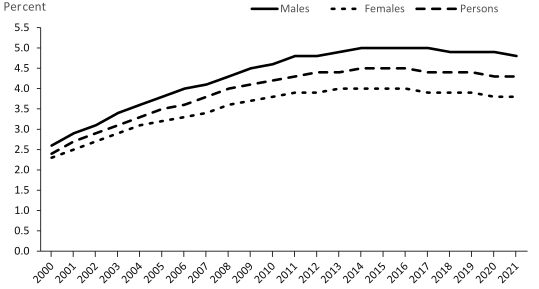
The graph below shows the prevalence of diabetes (type 1, type 2 and other diabetes excluding gestational diabetes) in Australia from 2000-2021.
Analyse the trends and discuss what these patterns suggest about the health status of Australians. (8 marks)
--- 22 WORK AREA LINES (style=lined) ---
*PEEL – Solution is structured using an adjusted PEEL method; [P] Identify components and their relationship, [E] explain the interaction/influence between them, [Ev] provide evidence showing the relationship in action, [L] linking sentence back to question.
*PEEL – Solution is structured using an adjusted PEEL method; [P] Identify components and their relationship, [E] explain the interaction/influence between them, [Ev] provide evidence showing the relationship in action, [L] linking sentence back to question.
- [P] Rising diabetes prevalence (2000-2013) connects directly to lifestyle changes and demographics.
- [E] This trend directly influences the population’s health through increased obesity rates interacting with sedentary behaviours.
- [Ev] The graph shows prevalence climbing steadily as these risk factors combine.
- [L] This establishes a cause-effect pattern revealing deteriorating health behaviours among Australians.
- [P] The plateau after 2013 relates to intervention effectiveness.
- [E] The relationship between prevention programs and prevalence rates shows stabilisation occurring when awareness campaigns interact with early screening.
- [Ev] These elements combine to produce the flattening trend visible from 2013-2021.
- [L] This interaction demonstrates that targeted health strategies can influence disease patterns.
- [P] Gender disparity reveals different risk profiles between males and females.
- [E] Males’ consistently higher rates result from the combination of poorer health behaviours and reduced healthcare engagement.
- [Ev] The 1% gap demonstrates how lifestyle factors function through the interaction of diet, exercise and medical check-ups.
- [L] This dynamic shows that gender-specific approaches are important to address health issues.
- [P] Sustained high prevalence indicates a continuing systemic issue despite stabilisation.
- [E] This trend reveals that ongoing healthcare demands are operating on multiple levels – managing existing cases while preventing new ones.
- [Ev] High rates persisting means that, in practice, resources remain stretched.
- [L] This fact reveals how chronic disease remains a defining feature of Australia’s health status.