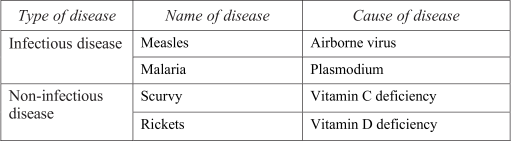
Outline the cause of a non-infectious nutritional disease in humans. In your answer, describe any possible effects that may be experienced by the a person living with the disease. (3 marks)
--- 6 WORK AREA LINES (style=lined) ---
Show Answers Only
Example Solution 1
Iron deficiency anaemia:
- Iron deficiency anaemia develops when there is insufficient dietary iron intake or absorption from food sources.
- Without adequate iron, the body cannot produce enough haemoglobin, the protein in red blood cells responsible for carrying oxygen throughout the body.
- This results in symptoms such as chronic fatigue, weakness, shortness of breath and pale skin due to reduced oxygen transport capacity in the blood.
Example Solution 2
Vitamin D deficiency:
- Vitamin D deficiency develops primarily due to insufficient sunlight exposure to the skin and inadequate dietary intake from foods like fatty fish or fortified products.
- Without adequate Vitamin D, the body cannot properly absorb and regulate calcium in the intestines and maintain calcium homeostasis in the blood.
- This results in soft bones, muscle weakness, and increased risk of fractures due to compromised bone mineralization.
Show Worked Solution
Example Solution 1
Iron deficiency anaemia:
- Iron deficiency anaemia develops when there is insufficient dietary iron intake or absorption from food sources.
- Without adequate iron, the body cannot produce enough haemoglobin, the protein in red blood cells responsible for carrying oxygen throughout the body.
- This results in symptoms such as chronic fatigue, weakness, shortness of breath and pale skin due to reduced oxygen transport capacity in the blood.
Example Solution 2
Vitamin D deficiency:
- Vitamin D deficiency develops primarily due to insufficient sunlight exposure to the skin and inadequate dietary intake from foods like fatty fish or fortified products.
- Without adequate Vitamin D, the body cannot properly absorb and regulate calcium in the intestines and maintain calcium homeostasis in the blood.
- This results in soft bones, muscle weakness, and increased risk of fractures due to compromised bone mineralization.